Mice may help determine the cause of ADHD
Researchers from Aarhus University have discovered a mechanism in the brain's nerve cells, which may help explain why children develop ADHD.
More and more children are diagnosed with ADHD. Hyperactivity, inattention and increased impulsiveness are some of the symptoms. However, the cause of ADHD remains elusive.
A research team from the MIND centre at Aarhus University has made a new approach by detecting an imbalance between the signalling molecule GDNF and the receptor SorLA which probably contributes to the development of ADHD. This imbalance may also be of significance for the development of a number of other brain and psychiatric disorders.
Mice exhibit ADHD traits
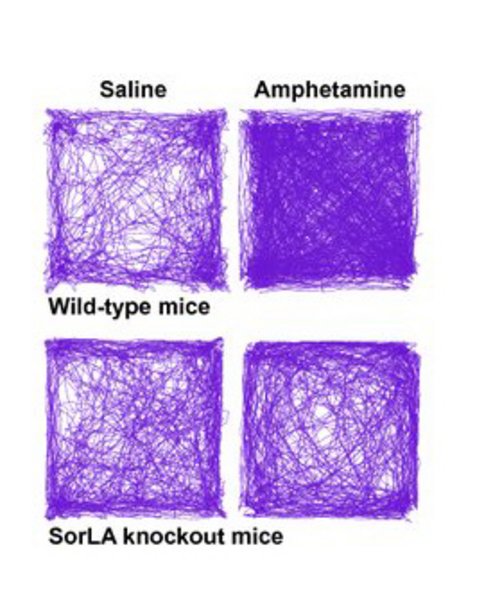
Simon Gleerup from the Department of Biomedicine and his colleagues have detected how the SorLA protein binds and inhibits the activity of GDNF signalling and plays a major role in the brain's so-called reward system. Experiments with mice show that reduced SorLA activity can encumber brain function.
The research results are newly published in Cell Reports.
Further Information
Ph.d. Simon Glerup,
Aarhus Universitet, Institut for Biomedicin
Direkte telefon: 51221727
sg@biokemi.au.dk